Ras Al Khaimah is officially playing the long game — and doing it with style, substance, and a very clear plan. The emirate is ramping up its sustainability ambitions with the Ras Al Khaimah Integrated Sustainability (RIS) Strategy 2050, an all-in, emirate-wide roadmap that’s less about buzzwords and more about future-proofing life, business, and nature in RAK.
Think of it as Ras Al Khaimah saying: “Yes, we’re growing fast — but we’re growing smart too.”
From energy goals to a full sustainability glow-up
The RIS Strategy didn’t appear out of thin air. It builds confidently on the earlier Energy Efficiency and Renewables Strategy 2040, which focused heavily on transforming how the emirate produces and uses energy. The new strategy zooms out and takes a bigger, bolder view — expanding into emissions reduction, climate resilience, air quality, water and soil management, and even biodiversity protection. Basically, sustainability… but make it comprehensive.
Launched under the patronage of Sheikh Saud bin Saqr Al Qasimi, the strategy reflects a long-term vision where economic growth and environmental responsibility don’t compete — they collaborate.
Sustainability that works for people and business
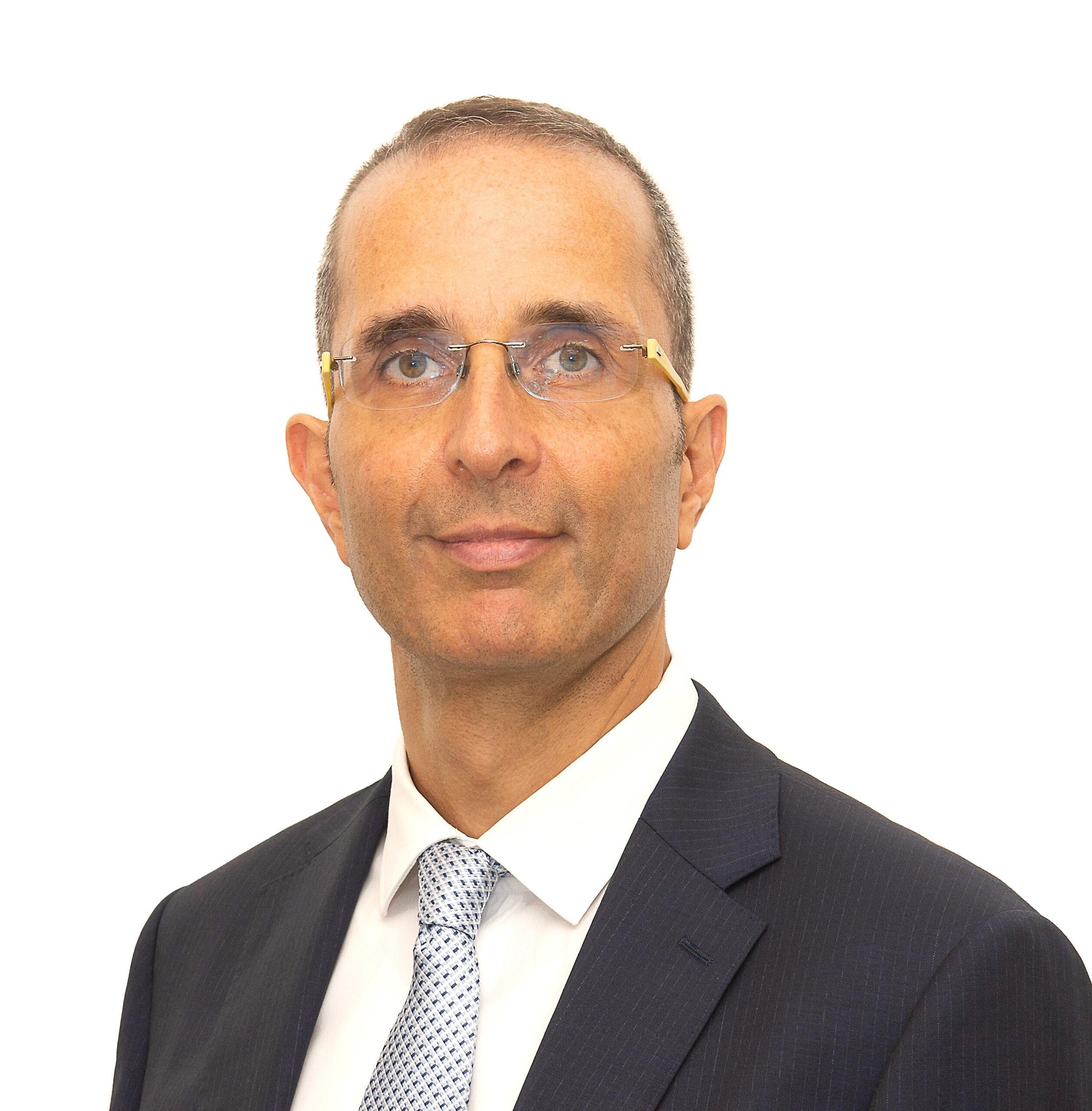
According to Andrea Di Gregorio, Executive Director of Reem at Ras Al Khaimah Municipality, the RIS Strategy 2050 is all about balance. The goal? Keep energy and water secure and affordable, protect RAK’s natural environment, improve quality of life, and reduce greenhouse gas emissions so the emirate stays competitive in a low-carbon global economy.
In other words: cleaner energy, smarter infrastructure, healthier communities — and real opportunities for businesses and investors to grow alongside it all.
Real impact, not just good intentions
This isn’t a “nice-to-have” strategy. The RIS roadmap is expected to deliver tangible benefits — from GDP growth and job creation in green industries to lower energy and water costs and meaningful reductions in emissions. Energy efficiency programmes from the earlier strategy remain in play, but now with deeper, sector-specific interventions across industry, government, and transport.
There’s also a strong push toward cleaner fuels and utilities, aligning with the UAE’s national target of 50% clean energy by 2050 and its broader net-zero commitments.
Nature gets a front-row seat
What makes the RIS Strategy particularly refreshing is how far beyond emissions it goes. Air quality improvements, healthier soil and water systems, protected marine and coastal ecosystems, and biodiversity conservation (hello, native plant species) are all key pillars. The payoff? Better living and working conditions — and a stronger case for Ras Al Khaimah as a destination for sustainable tourism and long-term investment.
Thirteen programmes, one clear direction
All these ambitions are organised into 13 focused programmes, covering everything from renewable energy and gas supply to sustainable communities, transport, agriculture, industrial decarbonisation, and marine ecosystems. It’s structured, targeted, and designed to actually move the needle.
Backing it all is a robust governance framework, led by the RAK Sustainability Committee (established under Amiri Decree No. 8 of 2025) and supported by key entities including RAK Municipality, RAK Transport Authority, RAKGAS, and the Environment Protection and Development Authority. Reem serves as the engine room — providing advisory and implementation support to turn strategy into action.
Building the future while it’s being built
With Ras Al Khaimah experiencing unprecedented growth across tourism, industry, and urban development, the timing couldn’t be better. The RIS Strategy creates a rare opportunity to embed sustainability into new infrastructure, buildings, and communities from day one — not as an afterthought.
For investors, businesses, residents, and visitors, that means an emirate that’s not just expanding — but evolving intelligently.
What’s next on the sustainability calendar
For a deeper dive into how all of this is unfolding, the 2025 Ras Al Khaimah Annual Report offers a comprehensive look at progress and priorities. And if you like your sustainability conversations with a side of global insight, the third edition of the RAK Energy Summit, happening from 25 to 27 November 2026, is set to spotlight new outcomes, partnerships, and the next chapter of Ras Al Khaimah’s sustainability journey.
Bottom line? Ras Al Khaimah isn’t just planning for 2050 — it’s actively building it.