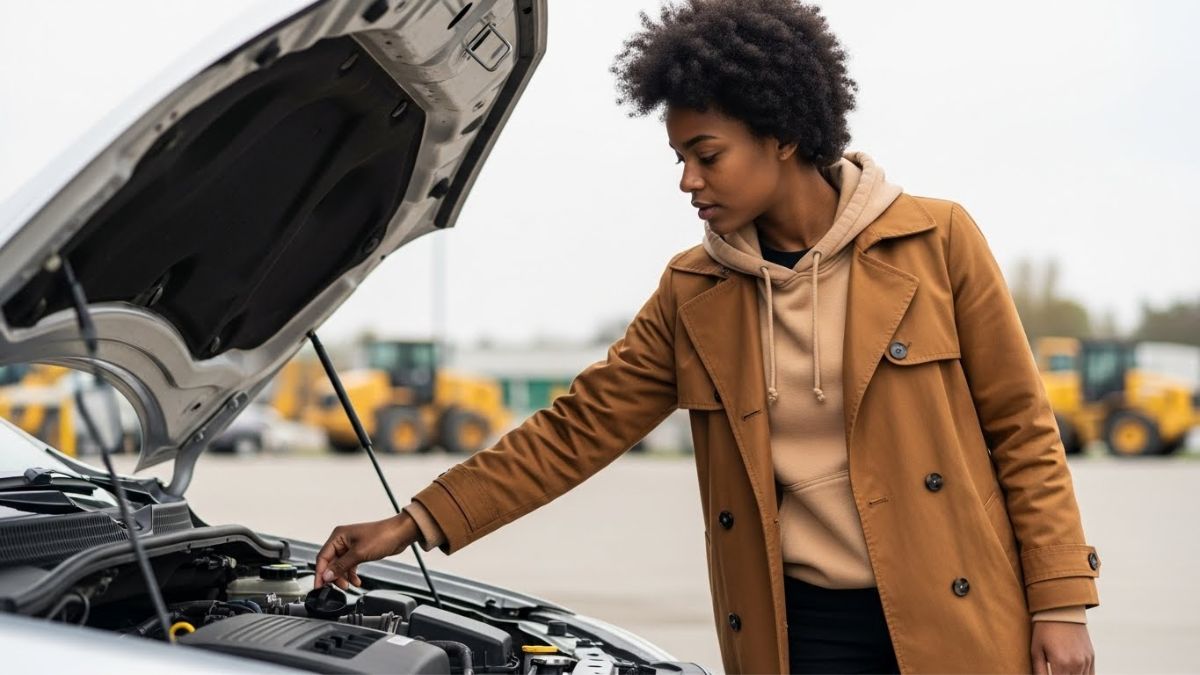
Sharjah is one of the busiest cities in the UAE. Its commercial areas are always active. From industrial zones to wholesale markets and shopping streets, vehicles are constantly on the move. Delivery vans, private cars, taxis, and service vehicles share the same crowded roads.
This daily activity affects how often vehicles need servicing. Cars driven primarily on commercial areas face different challenges compared to highway driving. Short trips, traffic stops, and heavy use increase wear on key vehicle systems.
Understanding these conditions helps drivers plan better maintenance and avoid sudden breakdowns.
What Makes Sharjah’s Commercial Areas Different
Commercial zones in Sharjah operate almost all day. Vehicles rarely get long, smooth drives. Instead, they face constant stops, tight turns, and slow movement.
Standard features of these areas include:
- High traffic density
- Frequent loading and unloading stops
- Narrow internal roads
- Short-distance driving
- High exposure to dust and heat
These conditions force vehicles to work harder, even at low speeds.
Short Trips and Their Hidden Impact
Many drivers believe short trips are easy on cars. In reality, short-distance driving causes more wear than long highway runs.
In commercial areas, engines often:
- Do not reach full operating temperature
- Shut off before oil circulates fully
- Run cold for most of the trip
This leads to faster oil contamination and internal engine stress. As a result, oil changes and inspections are needed more often.
Stop-and-Go Traffic Increases Servicing Needs
Commercial zones are full of stop-and-go traffic. Vehicles slow down, stop, and move every few meters.
This type of driving affects:
- Brake pads and discs
- Transmission systems
- Engine mounts
- Suspension components
Frequent braking increases brake wear. Constant gear changes add stress to transmissions. Over time, this shortens service intervals.
Brake System Wear in Busy Areas
Brakes suffer the most in commercial driving conditions. Repeated stopping wears down pads much faster than open-road driving.
Signs of early brake wear include:
- Squeaking or grinding sounds
- Reduced braking response
- Steering vibration during braking
In Sharjah’s commercial areas, brake checks become a regular necessity, not an occasional task.
Transmission Stress from Urban Driving
Automatic transmissions are standard in the UAE. In commercial zones, these systems shift gears continuously.
Common transmission challenges include:
- Heat buildup due to constant shifting
- Faster breakdown of transmission fluid
- Delayed gear response
Manual vehicles also face clutch wear due to frequent stops. This makes transmission servicing more frequent for city-driven cars.
Engine Oil Breaks Down Faster
Engines working in commercial areas face high heat and low airflow. This affects oil quality.
Oil loses effectiveness due to:
- Extended idling
- Heat exposure
- Dust entering the system
As oil quality drops, engine protection decreases. That’s why cars driven mainly in Sharjah’s busy areas often need oil changes sooner than expected.
Dust and Air Quality Effects
Sharjah’s commercial and industrial zones often have higher dust levels. Construction, warehouses, and truck movement increase airborne particles.
Dust impacts:
- Air filters
- Engine performance
- Fuel efficiency
Clogged air filters restrict airflow, forcing engines to work harder. Regular filter replacement becomes essential in such environments.
Cooling System Pressure in Slow Traffic
Slow-moving traffic limits airflow to radiators. In warm weather, cooling systems work extra hard.
Common cooling system issues include:
- Rising engine temperatures
- Fan overuse
- Coolant degradation
Without timely checks, minor cooling problems can turn into major repairs.
Suspension and Steering Wear
Commercial roads often have uneven surfaces, speed bumps, and loading zones. Vehicles constantly slow down and turn sharply.
This leads to wear in:
- Shock absorbers
- Bushings
- Steering joints
Drivers may notice reduced ride comfort or steering control. Regular suspension inspections help maintain safety and comfort.
Why Servicing Frequency Is Higher in Commercial Zones
Vehicles driven in Sharjah’s commercial areas face multiple stress factors at once. These conditions reduce the gap between service visits.
Main reasons include:
- Constant engine start and stop
- Higher brake usage
- Faster fluid degradation
- Increased dust exposure
- Heavy daily usage
Because of this, service schedules based only on mileage may not be enough.
Role of Professional Vehicle Care
Drivers who understand local driving conditions make smarter maintenance decisions. Many vehicle owners rely on experienced providers like 800Sayara, which understands how urban and commercial driving affects vehicle health.
Such expertise helps detect early signs of wear caused by city conditions. Timely inspections reduce long-term costs and improve vehicle reliability. Choosing the right car service in Sharjah ensures your car receives care suited to its real driving environment.
Simple Habits That Reduce Wear
Drivers can lower service frequency by adjusting daily habits.
Helpful tips include:
- Avoid aggressive acceleration
- Reduce unnecessary idling
- Maintain a safe following distance
- Service filters and fluids on time
- Pay attention to warning lights
Small changes can significantly reduce stress on vehicle systems.
Long-Term Benefits of Regular Servicing
Ignoring the impact of commercial driving leads to bigger issues later. On the other hand, regular servicing offers clear benefits.
These include:
- Longer engine life
- Better fuel efficiency
- Fewer breakdowns
- Safer driving experience
- Lower repair costs over time
Preventive care always delivers better value than emergency repairs.
Final Thoughts
Sharjah’s commercial areas keep the city active and growing. But they also place extra demands on vehicles. Short trips, heavy traffic, dust, and constant stopping all increase wear and tear.
Understanding these factors explains why vehicles driven in commercial zones need servicing more often. With proper care, smart driving habits, and timely maintenance, drivers can keep their cars reliable despite daily urban pressure.
Regular attention today ensures smoother, safer drives tomorrow.