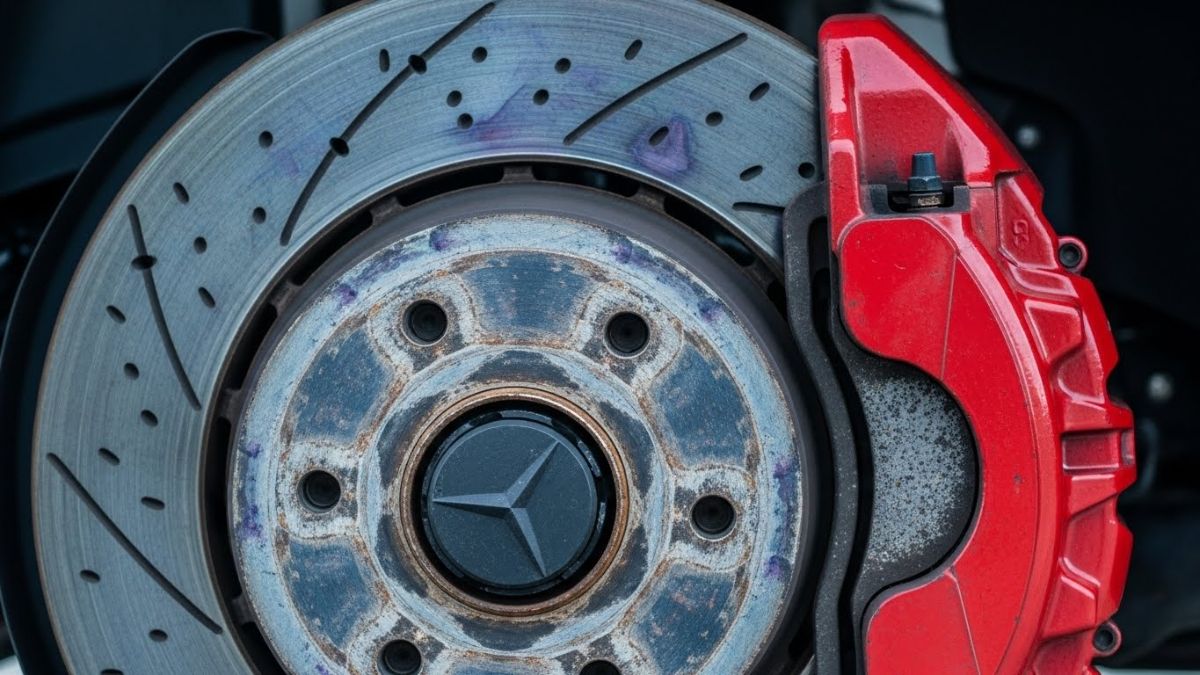
Driving a Mercedes is all about comfort, control, and confidence. But when you live in a place with extreme heat, like Abu Dhabi, your car works harder every day. One system that feels this pressure the most is the braking system.
Heat affects brakes more than many drivers realize. High temperatures, heavy traffic, and long drives can wear brake parts faster. That is why regular brake inspection is not just good care. It is smart and safe driving.
In this guide, we will explain how heat impacts Mercedes brakes, how often they should be inspected, and clear signs that tell you it is time to check them. Everything is explained in simple words so you can understand and act with confidence.
Why Extreme Heat Is Tough on Mercedes Brakes
Mercedes vehicles are built with advanced braking systems. They offer strong stopping power and smooth performance. Still, no brake system is immune to heat.
In extreme weather, several things happen:
- Brake pads heat up faster
- Brake fluid can lose strength
- Rotors face more stress
- Rubber parts dry out sooner
When brakes get too hot again and again, they wear faster. This does not mean Mercedes brakes are weak. It means they need the proper care for the climate they are in.
How Heat Changes Your Driving Conditions
Hot weather often changes how and where we drive. These changes also affect brakes.
In very hot areas:
- Traffic is often slow and heavy
- Drivers use brakes more often
- Roads stay hot all day and night
- Long summer trips are common
All these factors mean your brakes work more times per drive. More use plus more heat equals faster wear.
How Often Should Mercedes Brakes Be Inspected?
In typical weather, brake inspections are often advised every 10,000 to 15,000 kilometers. But in extreme heat, inspections should happen more often.
Recommended Inspection Schedule in Extreme Heat
For hot climates like Abu Dhabi:
- Every 7,000 to 10,000 kilometers
- At least once every 6 months
- Before long road trips
Regular inspection helps catch minor issues early. This keeps repair costs lower and drives more smoothly.
Why Regular Brake Inspection Is a Smart Choice
Brake inspection is not only about safety. It also protects the overall driving feel of your Mercedes.
Regular checks help to:
- Keep braking smoothly and quietly
- Reduce sudden repair costs
- Protect brake rotors from damage
- Maintain factory-level performance
When brakes are checked on time, your car responds better and feels more stable on the road.
Signs Your Mercedes Brakes Need Inspection Sooner
Sometimes brakes need attention before the scheduled time. Your car often gives clear signs. Paying attention helps avoid bigger problems.
Common Warning Signs
- Squeaking or grinding sounds
- Soft or shaky brake pedal
- The car is pulling to one side while braking
- Burning smell after driving
- Brake warning light on the dashboard
If you notice any of these signs, it is best to book an inspection soon.
How Mercedes Brake Systems Are Different
Mercedes braking systems are designed with precision. They include features like:
- ABS for controlled stopping
- Brake assist for emergency braking
- Electronic stability systems
- High-quality brake materials
Because these systems work together, proper inspection requires trained attention. A regular check ensures all parts stay in balance and work as designed.
Brake Pads and Rotors in Hot Weather
Brake Pads: Brake pads wear faster in heat because friction creates even more heat. In hot climates, pads may need replacement sooner than expected.
Brake Rotors: Rotors face constant heat pressure. If not checked, they can warp or wear unevenly. Regular inspection keeps rotors smooth and firm.
Both parts should always be inspected together for the best results.
The Role of Brake Fluid in Extreme Heat
Brake fluid plays a quiet but vital role. It transfers pressure from the pedal to the brakes. In high heat, old brake fluid can absorb moisture and lose strength.
That is why inspections often include:
- Checking brake fluid level
- Testing fluid condition
- Replacing fluid when needed
Fresh brake fluid helps maintain strong and reliable braking.
Driving Habits That Help Brakes Last Longer
Your driving style also matters, especially in the heat.
Simple habits can reduce brake stress:
- Keep a safe distance to avoid hard braking
- Slow down early instead of sudden stops
- Avoid riding the brakes in traffic
- Use engine braking when possible
These habits support your Mercedes brakes and improve driving comfort.
Seasonal Brake Checks Are a Good Routine
In hot regions, seasons may not change much, but driving patterns do. Summer months are especially demanding.
A seasonal brake inspection helps:
- Prepare for high summer heat
- Ensure safe holiday travel
- Keep performance steady year-round
It becomes a routine that protects both you and your vehicle.
Professional Inspection Makes a Real Difference
Brake systems are complex. A professional inspection checks more than just pad thickness.
It often includes:
- Visual inspection of all brake parts
- Measuring pad and rotor wear
- Checking brake fluid quality
- Testing brake response
Choosing an expert for Mercedes service in Abu Dhabi ensures your vehicle is inspected with the right tools and knowledge for local driving conditions.
Long-Term Benefits of Timely Brake Care
When brakes are inspected on time, benefits go beyond safety.
You enjoy:
- Quieter rides
- Better fuel efficiency
- Longer life for brake components
- Higher resale value of your Mercedes
These benefits add up over time and make ownership more rewarding.
Final Thoughts
Extreme heat puts extra pressure on your Mercedes brakes, but with the proper inspection schedule, this challenge is easy to manage.
In hot climates, inspecting brakes every 7,000 to 10,000 kilometers or twice a year is an innovative approach.
Listen to your car, watch for early signs, and keep inspections regular. With proper care, your Mercedes will continue to deliver smooth, confident, and enjoyable driving, even in the most brutal heat.