How to Fulfill Your Child’s Dream of Playing the Piano
Help your child turn a love for music into piano skills with the right lessons, encouragement, and practice at home.
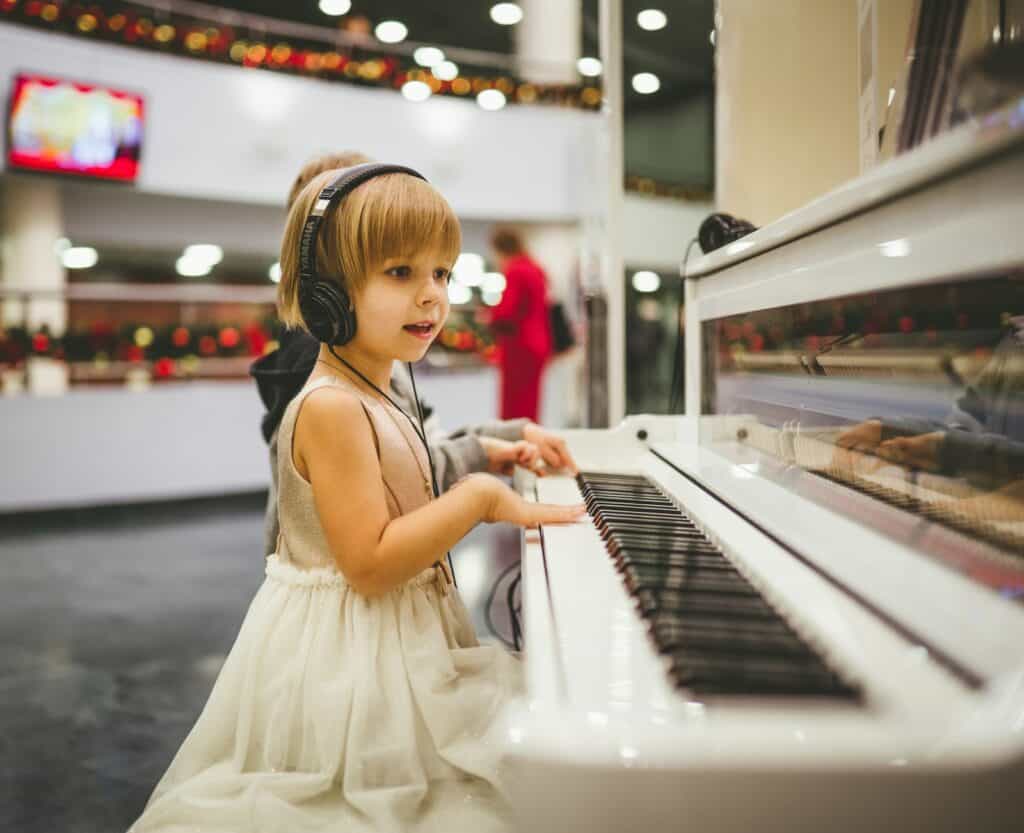
Many children become fascinated by the piano after hearing a beautiful piece of music, watching a performance, or experimenting with the keys during a visit to a friend’s home. If your child has expressed a genuine interest in learning the piano, supporting that dream can provide benefits that extend far beyond music. Piano lessons can help develop discipline, patience, creativity, and confidence while offering a rewarding hobby that may last a lifetime.
While helping your child begin their musical journey may seem overwhelming at first, a thoughtful approach can make the process both enjoyable and manageable.
Assess Their Interest
Before making a significant investment, it is important to determine whether your child’s interest is likely to be long-term. Many children become excited about new activities but may lose enthusiasm after a few weeks. One way to gauge commitment is by arranging a few introductory lessons or allowing your child to experiment with a keyboard before purchasing a full-sized piano. Watching how they respond to practice and instruction can provide valuable insight into whether they are ready to pursue lessons seriously.
Encouragement is important, but it is equally important to allow their interest to develop naturally rather than applying too much pressure.
Choose the Right Instrument
Selecting the right instrument is one of the most significant decisions you’ll make. Beginners often start with either a digital piano or an acoustic piano, depending on budget, available space, and long-term goals.
Digital pianos offer several advantages, including volume control, headphone compatibility, and lower maintenance requirements. They can be ideal for families living in flats or homes where noise may be a concern. However, many teachers recommend acoustic pianos because they provide a more authentic playing experience and help students develop a greater appreciation for touch and tone. If your child demonstrates a strong commitment to learning, investing in a quality acoustic piano may prove worthwhile.
It can also be helpful to involve your child in the selection process. Allowing them to try different instruments and hear the differences in sound can make them feel more invested in their musical journey. A piano that feels comfortable and inspiring to play may encourage more frequent practice and greater enthusiasm for learning.
Consider Delivery and Placement
Once you’ve selected an instrument, you will need to consider how it will be transported safely into your home. Upright and grand pianos are heavy, delicate, and often require specialist handling to prevent damage.
Many families use services such as shiply.com to find and arrange piano transportation through experienced carriers who understand the challenges involved in moving valuable musical instruments. Proper transportation helps ensure that your piano arrives safely and is ready for use. You should also think carefully about where the piano will be positioned. A quiet room with stable temperatures and limited exposure to direct sunlight can help maintain the instrument’s condition over time.
Find the Right Teacher
A great teacher can make a tremendous difference in a child’s learning experience. The right instructor will not only teach technical skills but also nurture enthusiasm and confidence. When evaluating potential teachers, consider their experience working with children, teaching style, qualifications, and availability. Some children respond best to structured lessons, while others thrive in a more relaxed and creative environment. It may take a few attempts to find the perfect fit, but establishing a positive student-teacher relationship is often one of the keys to long-term success.
Create a Positive Practice Routine
Regular practice is essential for progress, but it should not feel like a punishment. Establishing a consistent routine can help children develop good habits while avoiding unnecessary frustration. Short, focused practice sessions are often more effective than lengthy sessions that lead to boredom or fatigue. Parents can support progress by celebrating achievements, attending performances, and showing genuine interest in what their child is learning. Creating a positive environment around practice helps maintain motivation and encourages children to continue developing their skills.
Encourage Musical Exploration
While structured lessons are important, allowing your child to explore music outside of formal practice can help keep their enthusiasm alive. Encourage them to listen to different styles of piano music, attend live performances, or experiment with creating their own melodies.
Exposure to a variety of musical experiences can deepen their appreciation for the instrument and inspire them to continue learning. It also helps children see piano playing as more than just a lesson or assignment, turning it into a creative outlet they genuinely enjoy.
Widen Their Music Knowledge
Introducing them to famous piano-playing artists can be a great source of inspiration. Classical composers such as Ludwig van Beethoven and Frédéric Chopin created some of the most celebrated piano music in history, while modern artists like Elton John, Taylor Swift, Alicia Keys, Billy Joel, and Lang Lang have shown how versatile and exciting the instrument can be across different genres. Listening to these performers together can help your child discover the styles they enjoy and motivate them to get as good as their new idols.
Enjoy the Journey
Learning the piano is a gradual process that requires patience and persistence. There will be moments of challenge alongside moments of accomplishment. By providing encouragement, choosing the right instrument, and supporting consistent learning, parents can help turn a child’s musical dream into a rewarding reality.
Whether your child eventually performs on stage or simply enjoys playing for family and friends, the experience of learning the piano can offer lifelong benefits and memories that extend far beyond the music itself.